
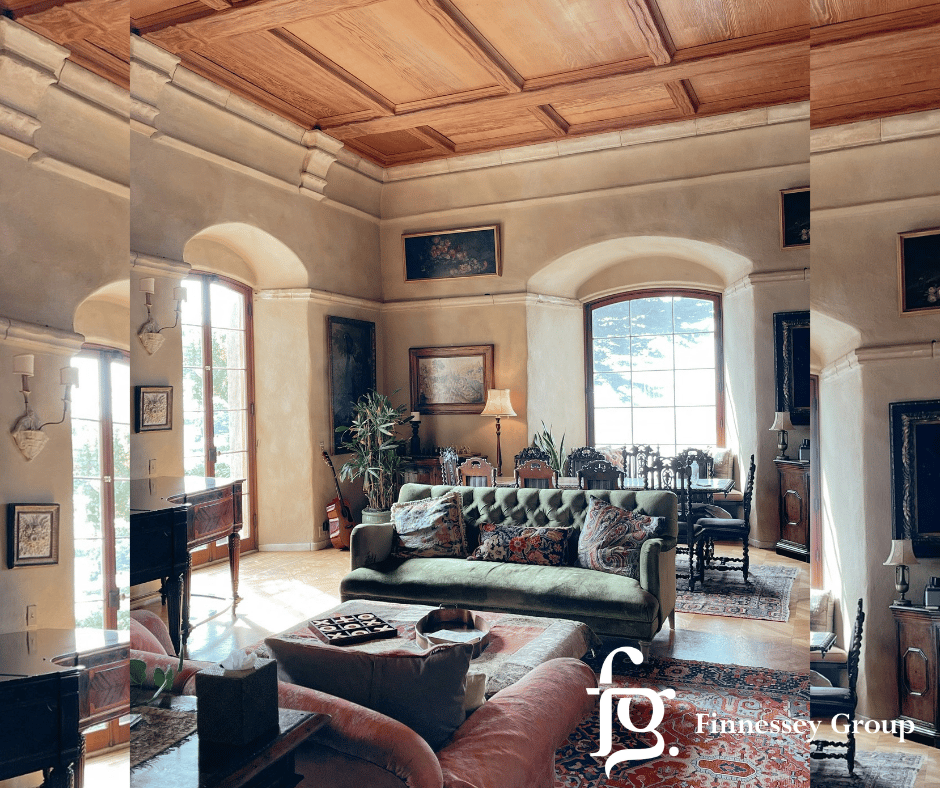
One of the things I tell clients when they close on a house is that they have me for life.
I don't mean they should call me only when they're ready to sell again. Call me when you need a plumber. Call me when you can't remember the name of the painter I gave you three years ago. And please call me before you decide to spend a significant amount of money remodeling your house. That last call doesn't happen nearly as often as I wish it did.
Instead, I'll walk into a house several years later and discover that someone spent a fortune on the kitchen but never touched the landscaping. Or replaced flooring and lighting with something very specific to their taste while ignoring maintenance elsewhere. Sometimes they've technically “updated” something, but chose materials that were already on their way out or went inexpensive enough that a future buyer sees the improvement as something they'll eventually need to remove. That's a painful conversation because the money has already been spent.
The problem isn't that homeowners shouldn't renovate their homes. They absolutely should. The problem is assuming that money spent on your house and value added to your house are the same thing. They aren't.
Are You Spending for Yourself or for the Next Buyer?
This is the first distinction I want homeowners to make. If you have always wanted a beautiful new kitchen and you're planning to live in your house another five years, remodel the kitchen. You get five years of waking up and enjoying it. There is value in that, even if every dollar you spend doesn't come back to you when you sell.
The same is true of a pool. I think of pools a little like boats or cars. They're lifestyle purchases. If your family is going to spend every summer in that pool and it changes the way you enjoy your home, that's part of the return. Just don't build one because someone told you you'll automatically get the money back at resale. That is a completely different calculation, and it varies tremendously by neighborhood, price point, lot and quality of the pool.
This is where homeowners sometimes get into trouble. They start with a personal decision and mentally turn it into an investment decision somewhere along the way. Not every improvement has to make you money. I just want you to know which kind you're making.
Maintenance Is Not the Same Thing as an Improvement
This is probably the least exciting part of owning a house. Nobody has ever invited their friends over and said, “Come see my new drainage correction.”
A beautiful kitchen is fun. A new roof isn't.
But buyers expect the house they're purchasing to function. If your roof is at the end of its useful life, replacing it doesn't necessarily mean you've just added the cost of the roof to the value of the house. The same can be true of HVAC systems, plumbing, foundation work, septic systems and other major components.
Sometimes you're protecting value rather than adding value.
And increasingly, condition can affect more than the buyer's opinion of the house. Insurance availability and cost can become part of the conversation with certain systems or conditions, which is one more reason I don't like deferred maintenance piling up until it's time to sell.
You don't necessarily need to replace every aging component simply because you're thinking about selling. Sometimes servicing it, repairing it and documenting that it has been properly maintained puts us in a much better position than ignoring it and allowing it to become the center of an inspection negotiation.
That's not glamorous, but it's smart homeownership.
Sometimes the Boring Stuff Wins
I have sellers hesitate over spending money on fresh paint or replacing worn carpet and then tell me they're thinking about remodeling a secondary bathroom. Or epoxying the garage floor.
That's when I start redirecting.
Paint is one of the simplest ways to change how a buyer experiences a house. It isn't only the color. Fresh paint looks clean. It smells fresh. It subtly communicates that the house has been cared for. The same thing happens with deep cleaning, fresh caulk and taking care of all of those little details we've learned to stop seeing when we live somewhere every day.
And then there is landscaping.
Landscaping may be one of the most underestimated places homeowners can spend money before selling. Buyers begin forming an opinion before they ever walk through the front door. Mature, healthy landscaping and a well-cared-for exterior don't just photograph better. They change the feeling of arriving at the house.
Real estate decisions are far more emotional than most people want to admit. That first feeling matters.
Staging Is Still One of the Best Places I See Sellers Spend Money
This is another one I have to talk sellers through all the time. Nobody particularly wants to pay for staging. I understand why. You're moving. You're already spending money. If the house has perfectly nice furniture in it, paying someone to bring in different furniture can feel unnecessary.
And yet, after doing this for so many years, staging remains one of the most consistent differences I see in how buyers experience a property. Good staging helps buyers understand rooms. It establishes scale. It creates warmth. It photographs better. And, quite frankly, it can keep a buyer's eye from landing quite so hard on every little cosmetic imperfection.
I would much rather spend thoughtfully on presentation than make an unnecessary renovation because we assumed that's what buyers wanted.
“Neutral” Doesn't Have to Mean Boring
This is an area where I think seller advice has gotten overly simplistic. Homeowners will tell me, “I know, I need to make everything neutral.”
Maybe.
But neutral doesn't automatically mean gray, white, vanilla or modern. In fact, I'm seeing buyers respond to more personality again. Warmth. Character. Natural materials. A powder bath with incredible wallpaper. A library that actually feels like somewhere you want to sit. A room with a point of view.
Buyers aren't necessarily looking for bigger houses either. I'm seeing more appreciation for homes where the rooms make sense and actually get used rather than square footage for the sake of square footage. Formal living rooms that nobody lives in aren't particularly compelling. Neither are oversized rooms without a purpose.
A home can have personality and still appeal to buyers. The trick is knowing where personality adds character and where a highly specific choice begins shrinking your audience. That's where good design matters.
The Higher the Price, the More the Details Matter
Luxury buyers aren't necessarily expecting every house to be brand new. Some of the most valuable homes in Austin are older homes in extraordinary locations, and the right buyer may happily take on cosmetic changes to get the architecture, lot, view or neighborhood they want.
What becomes harder to overlook at a higher price point is a house that feels neglected.
There is a difference between dated and deferred. And there is also a difference between expensive and well done. I see this constantly in renovations. Cabinet construction, proportions, hardware, lighting, transitions between materials. The devil really is in the details. Spending a lot of money doesn't automatically produce a sophisticated result.
The renovations that tend to age best aren't usually the ones screaming the year they were completed. The bones are thoughtful and relatively timeless, and the homeowner can change artwork, furniture and accessories as tastes evolve.
That is very different from chasing every design trend.
If You're Selling in Three Years, Call Me Now
Not because I want you to start preparing your house for market three years early. Quite the opposite. If you told me you might sell in three years, I'd first want to come see the house and understand how you're living in it now. Maybe you've hated your appliances for five years and you're finally ready to replace them. Great. Let's talk about what you like, what makes sense for the house and whether there are a few other relatively small decisions we can make at the same time that will serve you later.
Maybe you don't want to invest much at all. Then let's identify the things that help protect the house and its value so you're not facing a giant list of deferred projects three weeks before we put it on the market. And if you're considering a significant remodel, let me help you understand your neighborhood and price point before you start.
Then, if the budget allows, bring in a good designer. Even paying for a design consultation can prevent expensive mistakes in materials, colors and finishes.
A Realtor and a designer are looking at the decision through different lenses, and that's valuable. The designer can help you make the house beautiful and cohesive. I can help you understand how the choices fit within your particular market and what buyers at your price point are actually responding to. Because I don't want you living for some theoretical future buyer.
It's your house. Enjoy it.
Paint the room the color you love. Build the pool if your family will live in it. Remodel the kitchen if walking into it every morning makes you happy. Just understand what you're spending money to accomplish. And if part of the answer is, “We think we'll probably sell this house in the next few years,” call me before the contractor.
Brandy Finnessey is a West Austin real estate broker known for her straightforward, strategic approach and long-term client relationships.
